Future of Physical Security 2026: AI Biometrics & Unified Network Access in the UAE
By SecureNet Services Engineering Team • Published Dubai, UAE
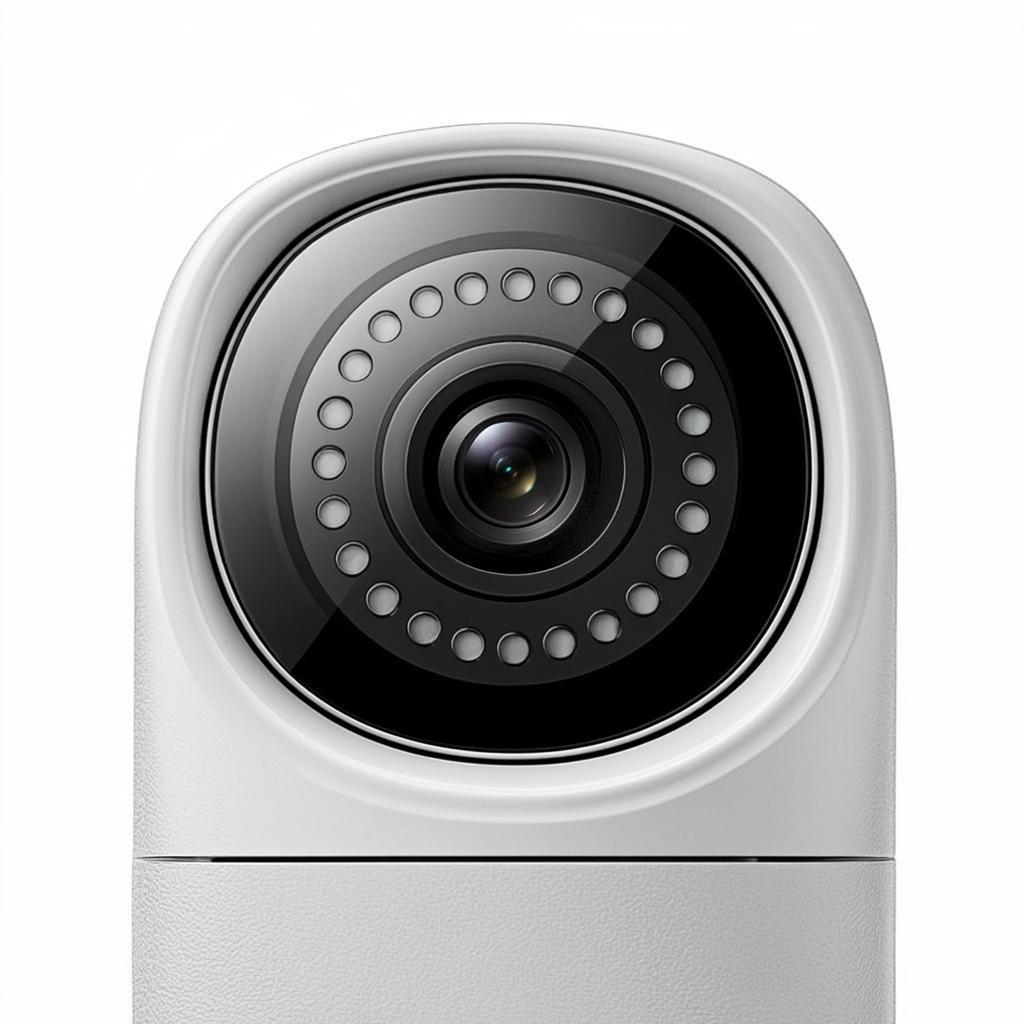
As commercial facilities across Dubai, Abu Dhabi, and the wider UAE accelerate digital transformation under the UAE Digital Government Strategy 2025 and Dubai Smart City vision, physical building security is undergoing a monumental paradigm shift. In 2026, enterprise physical access control is no longer an isolated hardware silo of standalone RFID card readers and local DVRs. Instead, forward-thinking enterprises are deploying converged physical-cyber security architectures—unifying visible-light neural artificial intelligence, zero-trust network access (ZTNA), edge biometric encryption, and automated building management systems (BMS).
Evolution Matrix: Traditional Facilities vs. 2026 Unified Security
Understanding how physical perimeter protection has converged with corporate information technology helps facility directors and IT managers plan resilient infrastructure upgrades:
| Security Dimension | Traditional Architecture (Pre-2022) | Next-Gen Architecture (2026 & Beyond) | Enterprise Impact |
|---|---|---|---|
| Credential Technology | Cloneable 125kHz RFID proximity badges or physical keys | Multimodal AI facial recognition, dynamic mobile BLE/NFC & palm vein | Zero badge loss, eliminates proxy clock-ins & clone risks |
| Verification Speed & Range | Contact-based finger touch or 5 cm card tap | Touchless visible light recognition up to 3 meters in <0.3s | High throughput during peak-hour lobby shifts without congestion |
| Cyber-Physical Convergence | Completely air-gapped from IT identity systems | Synchronized with Active Directory, Okta, and 802.1X network switch ports | Wall Ethernet jacks remain dead until authorized staff badge into the room |
| Biometric Privacy & Storage | Raw photographs or unencrypted templates on central servers | Irreversible mathematical vector hashes computed at hardware edge | 100% compliant with UAE Personal Data Protection Law (Federal Decree-Law No. 45) |
| Branch Management | Isolated local databases requiring manual USB punch downloads | Cloud ADMS push protocol uniting Dubai, Abu Dhabi, and Sharjah in real time | Instant employee provisioning and centralized corporate HR audits |
Visible-Light AI Facial Recognition: Overcoming Gulf Environmental Hurdles
Early infrared (IR) facial recognition terminals suffered frequent verification delays in UAE glass-fronted lobbies due to intense desert sunlight, reflections, and narrow field-of-view scanning angles. 2026 enterprise terminals—powered by dedicated Neural Processing Units (NPUs) and dual RGB+IR optical sensors—solve these challenges:
- Wide-Angle Verification (30° Tolerance): Employees do not need to stand motionless in front of the lens. The system detects faces while pedestrians walk at natural speed, tolerating forward and lateral head tilts up to 30 degrees.
- High-Lux Dynamic Range: AI camera sensors automatically adjust exposure in direct sunlight (up to 50,000 lux) and total darkness using integrated smart infrared fill lights.
- Live Anti-Spoofing Defense: Deep-learning computer vision models inspect sub-millimeter facial depth, micro-skin textures, and thermal cues, instantly rejecting printed high-resolution photographs, 4K tablet video loops, and 3D silicone mask attacks.
Zero-Trust Physical & Network Convergence (802.1X Interlock)
The most transformative architectural advancement in 2026 is the elimination of the gap between physical perimeter security and enterprise network defense:
- Dynamic Port Authentication: When an employee authenticates through a high-security server room or financial office door, the physical access controller communicates via secure webhook / RADIUS to the corporate Cisco, Sophos, or Fortinet core switch. The network port assigned to that employee's desk is dynamically enabled.
- Automated Anti-Tailgating Lockout: When the employee punches out through the exit turnstile or door reader, the wall Ethernet port and Wi-Fi session immediately drop back into a restricted guest VLAN, preventing unauthorized rogue devices from being plugged into unattended desks.
- Unified SIEM & SOC Audit Logs: Security Operations Centers (SOC) in Dubai or Abu Dhabi correlate physical access punches with cybersecurity login events. If an account logs into corporate cloud email from an IP in Europe while the employee's physical badge clocked into the Dubai office five minutes prior, the SOC automated playbook flags an impossible travel alert.
UAE Regulatory Framework: SIRA, Civil Defense & Data Privacy
Deploying commercial physical security infrastructure across the Emirates requires compliance with stringent municipal, civil safety, and data protection mandates:
UAE Data Protection (Decree-Law No. 45 of 2021)
Commercial biometric deployments in the UAE must adhere to strict personal privacy standards. Enterprise terminals deployed by SecureNet Services process biological facial and fingerprint scans using irreversible mathematical hash vectors directly on the terminal processor, ensuring raw photographic images are never stored or transmitted across corporate networks.
SIRA Dubai & Fire Life-Safety Codes
In commercial towers across Dubai, installations must comply with Security Industry Regulatory Agency (SIRA) standards. All electronic magnetic locks and motorized turnstile speed gates must incorporate certified fail-safe dry contact relays interfaced to the building Fire Alarm Control Panel (FACP) to release instantly during emergency evacuations.
Turnkey Security & Infrastructure Engineering by SecureNet Services
SecureNet Services delivers certified end-to-end design, hardware supply, Cat6 structured cabling, and annual maintenance contracts (AMC) across Dubai, Abu Dhabi, and Sharjah:
- Comprehensive facility security surveys, blind spot assessments, and pedestrian flow modeling.
- Supply and commissioning of genuine ZKTeco, Suprema, and Hikvision AI biometrics and access controllers.
- Fail-safe electromagnetic door lock integration with Dubai Civil Defense building fire panels.
- Structured server rack cabling, enterprise switch provisioning, and biometric cloud software deployment.
- Guaranteed 4-hour emergency SLA response for commercial AMC clients.
Explore our specialized Door Access Control Systems Installation, view our Biometric Attendance Systems in Dubai, or learn about our IT Security & Infrastructure Services.
Frequently Asked Questions
What is the difference between visible-light facial recognition and older biometrics?
Visible-light facial recognition utilizes deep-learning neural algorithms that verify staff while walking at distances up to 3 meters in less than 0.3 seconds. Older optical fingerprint and basic IR readers required individuals to stop, stand directly in front of the lens, or physically touch a sensor.
How does physical access control integrate with Active Directory or HRMS?
Modern access control platforms connect through RESTful APIs or database connectors to Active Directory / Microsoft Entra ID. When HR provisions a new employee in the corporate directory, authorized door and turnstile access privileges are automatically synchronized across branch locations.
Can an access control terminal operate during an internet outage?
Yes. Enterprise controllers feature edge autonomy. User credential hashes and schedule rules are stored in non-volatile local controller memory. Doors unlock instantly even if WAN connectivity is severed, caching event logs and synchronizing automatically once network connection is restored.
What maintenance is required for commercial biometric access systems?
Commercial installations require routine quarterly lens cleaning, battery backup power supply (UPS) voltage health checks, magnetic lock holding-force calibration (600 lbs / 1200 lbs), and firmware vulnerability patching. SecureNet Services provides comprehensive Annual Maintenance Contracts (AMC) to keep systems performing reliably.
Schedule an On-Site Physical Security Assessment in the UAE
Our certified security engineering team will inspect your facility, audit your entrance points, and provide an engineered upgrade proposal aligned with UAE SIRA and Civil Defense requirements.